English
Search

2026/09/07
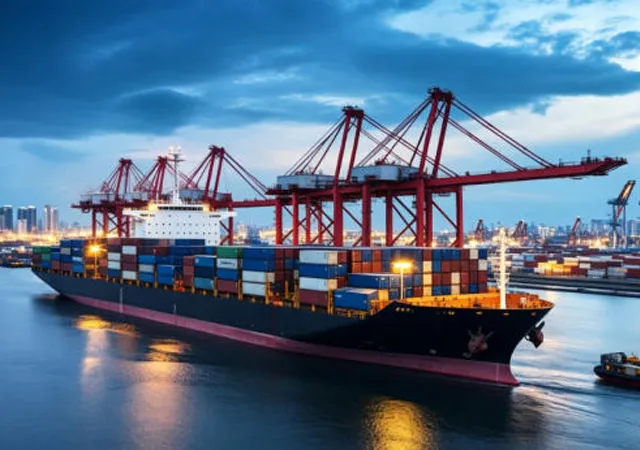
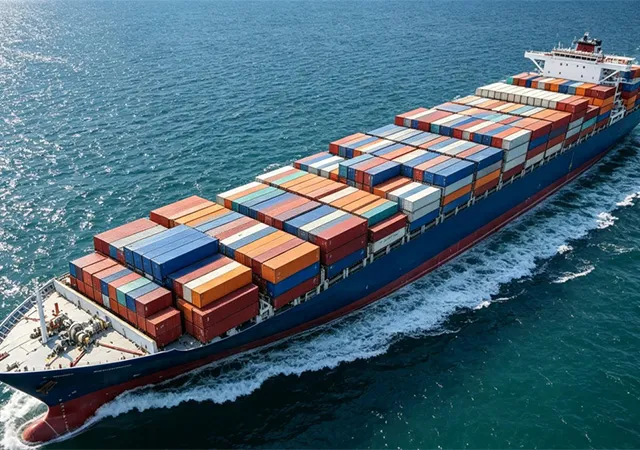
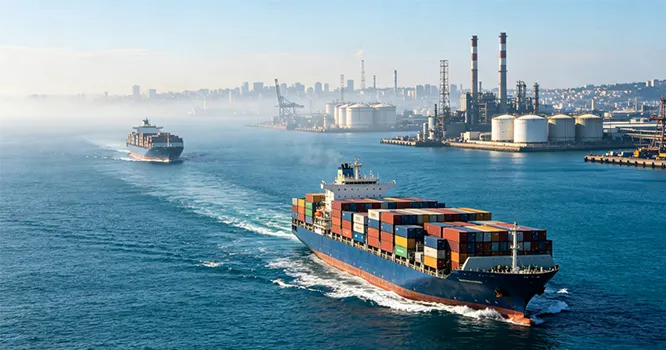
Ocean shipping is a mode of transportation that uses ships as the primary means of transport to deliver goods and personnel across the ocean. As a vital pillar for international trade and socio economic development, it strongly boosts global economic integration and occupies an indispensable position in the global economic and trade system.Main Classifications of Ocean Shipping
1. Classified by types of carried cargo It can be divided into three categories: general bulk cargo routes, container shipping routes and tanker routes.
2. Classified by transportation service modes It falls into liner routes and tramp routes.
3. Classified by service coverage It includes international ocean going routes, coastal inland river routes and in port waterway transportation.
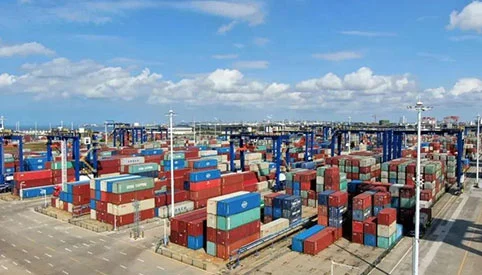
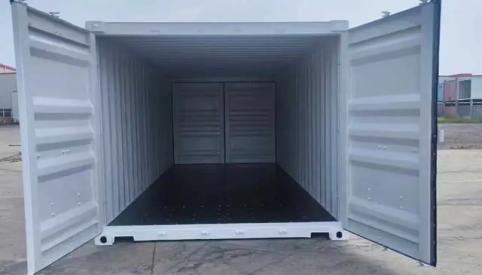
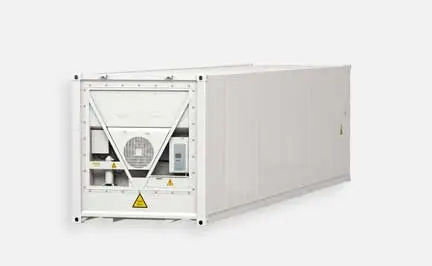
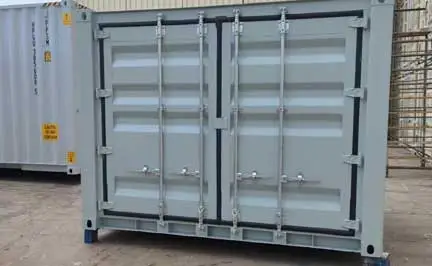
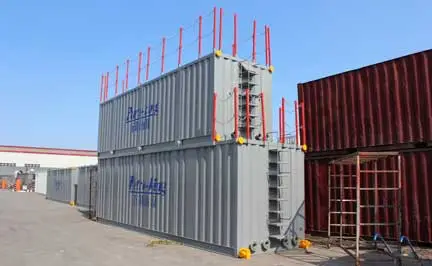
1. Cargo Stuffing Before ocean freight transportation, cargo stuffing operations shall be completed. Containers are widely adopted in the industry to load various goods to meet the requirements of ocean transportation.
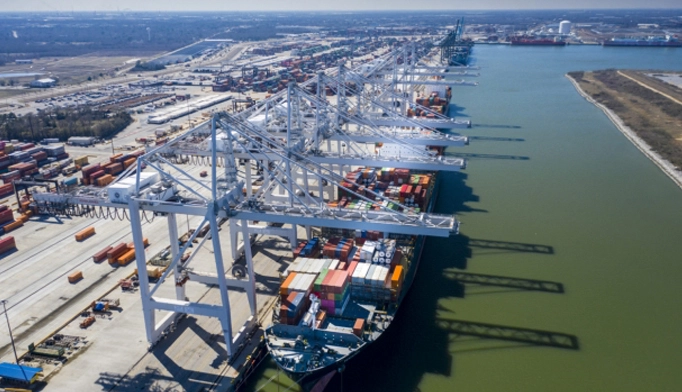
2. Cargo Loading After stuffing, goods are transferred and loaded onto ships. Depending on cargo types, goods are loaded onto container ships or general bulk cargo ships accordingly.
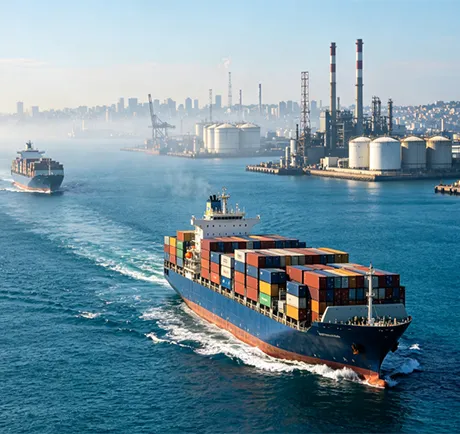
3. Ocean Voyage Upon completion of cargo loading, the ship sets off officially and sails along pre planned routes. It may encounter complex and changeable weather and sea conditions during navigation.
4. Cargo Unloading Unloading operations are carried out when the ship arrives at the destination port. This process is mainly completed at docks, where operational safety and efficiency should both be guaranteed.
1. Low transportation cost Compared with air and land transportation, ocean shipping has prominent cost advantages. Ships can carry large volumes of goods in a single trip. Unlike aircraft and land vehicles that require frequent carrier changes, ships help achieve lower unit transportation costs.
2. Large carrying capacity Ships feature huge transport capacity. They can deliver massive quantities of goods and passengers at one time and accomplish larger scale transportation tasks within the same period.
3. Favorable environmental friendliness Compared with vehicles and aircraft, ocean shipping delivers better environmental performance. Waste gas and wastewater generated by ships are treated before discharge, resulting in relatively limited adverse impacts on the environment.
1. Growing informatization and intelligence With the iteration and upgrading of science and technology, the ocean shipping industry is accelerating digital transformation, making continuous innovations in digital management and intelligent operation.
2. Green development as the mainstream trend Global environmental awareness keeps rising, and green development has become the orientation for all industries. The ocean shipping sector is vigorously pursuing green transition by adopting new clean energy, optimizing sailing routes and taking other measures to cut carbon emissions.
3. Continuous improvement of service quality Intensified market competition urges enterprises to optimize services to satisfy diversified customer demands. Oriented toward client needs, the ocean shipping industry will further improve its comprehensive service capacity through model innovation in the future.
This is the first one.