English
Search

2026/09/28
2026 practical guide to eligibility, costs and operational risks
For exporters and freight forwarders, peak-season costs extend beyond ocean freight. Off-terminal drop-off, repeat trucking, extra handling, cargo damage and storage charges can quickly add up. Early gate-in can reduce these costs, but using it without meeting the requirements may lead to a container missing its sailing and costly removal from the terminal.
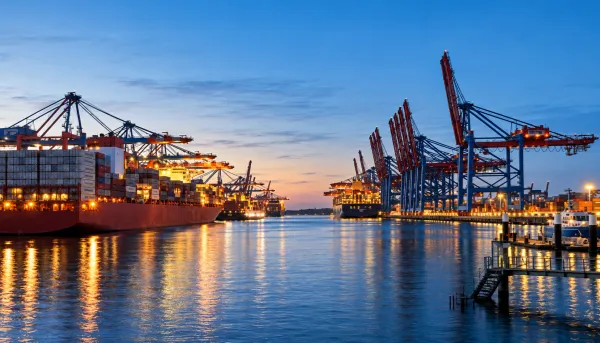
Early gate-in is a paid terminal service. Once a container is loaded and sealed, an application can be made to deliver it directly into the terminal yard before the normal receiving window opens. This avoids an off-terminal drop-off, a second trucking move and repeated lifting: one truck takes the loaded container from the factory to the terminal.
Approval depends on the voyage, terminal, container type, available capacity and timing. Paying the fee alone does not guarantee acceptance.
1 Confirm the voyage. Check with the shipping agent that the shipping order (S/O) and voyage details have been transmitted to the terminal system.
2 Load and seal. Complete stuffing and sealing, and confirm that the container is recorded as a laden export container.
3 Apply and pay. The forwarder or trucker submits an early gate-in plan through the Shanghai International Port Group (SIPG) platform, pays in advance and obtains the acceptance receipt.
4 Deliver directly. Truck the loaded container to the terminal and present the acceptance receipt at the gate.
All six requirements must be satisfied. An application that fails any one of them will be rejected.
A confirmed booking is not sufficient. The shipping agent must upload the complete voyage and port-call details, and the S/O must be registered in the terminal system. A skipped port, vessel change or schedule delay can invalidate early gate-in eligibility.
Only loaded and sealed export containers with OF status are eligible. Empty containers cannot use early gate-in.
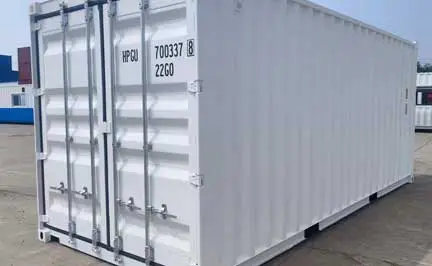
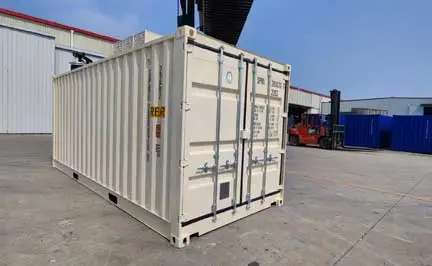
The standard service is for general-purpose (GP) dry containers. Reefers, open-top containers, flat racks, other special equipment and dangerous-goods containers are generally excluded. Dangerous goods follow direct loading alongside the vessel.
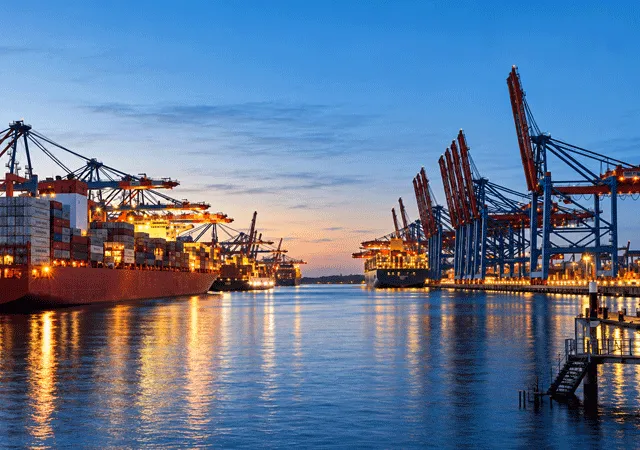
At Waigaoqiao, containers may enter before the customs declaration is filed, and early gate-in access and capacity are generally more readily available. Yangshan requires declaration before entry, has tighter capacity and applies stricter rules. If customs release is not obtained in time, the container must be withdrawn from the shipment and removed at the customer's expense. Terminals may close early gate-in entirely during congested periods, including July to September and the run-up to holidays.
Applications are limited to one to three days before the normal receiving window opens. Earlier submissions are automatically rejected; applying a full week in advance is not an option.
The container number, seal number, package count, weight and volume must be entered correctly in the terminal system. Early gate-in grants physical entry only. It does not constitute customs clearance, and a container cannot be loaded onto the vessel without the required customs release.
Do not proceed in any of the following six situations:
· The carrier has not updated the voyage, or the terminal has no registered voyage information.
· The shipment contains dangerous goods or uses special container equipment.
· The terminal has closed early gate-in during a peak period.
· The container has not been loaded and remains empty.
· The sailing schedule has changed, or the voyage information is inconsistent.
· The container is shipper-owned (SOC); most voyages do not offer early gate-in access for these containers.
The main saving comes from avoiding a second logistics move. The difference is particularly noticeable for a 20-foot GP container.
Service | Cost per container | What the charge covers |
Off-terminal drop-off | CNY 700–850 | Yard lifting and drop-off, storage, and a second trucking move into the terminal. |
Off-terminal drop-off | CNY 900–1,300 | The same handling and transport sequence; rates can rise further under extreme congestion. |
Early gate-in | CNY 220–320 | A single terminal handling fee, described as stable with no peak-season surcharge. |
With off-terminal drop-off, the container first travels from the factory to an outside yard, then enters the terminal on a second truck move after the receiving window opens. The extra transport and handling increase both cost and cargo-damage exposure. Early gate-in delivers the loaded container directly from the factory to the terminal.
Estimated savings: CNY 480–980 per 20-foot container and CNY 600–1,200 per 40-foot container. Savings become substantial across larger shipment volumes.
Storage exposure: Terminal free storage applies after early gate-in. If the vessel is substantially delayed, storage beyond the free period generates additional terminal charges that the customer must bear.
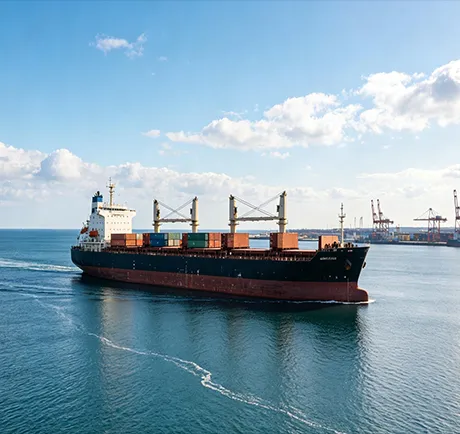
Entry into the terminal is not the end of the process. Monitor customs clearance through to release. If release is not completed before the customs cut-off, the container may be designated for withdrawal from the shipment and require costly removal from the terminal. The resulting loss can exceed the cost of an off-terminal drop-off.
All conditions are met. Prioritize early gate-in to reduce cost and exposure to container loss or cargo damage at an outside yard.
The early-entry channel is closed. Use an off-terminal yard or delay stuffing so delivery aligns with the normal receiving window.
Customs clearance is uncertain. Use extra caution for Yangshan shipments, frequently amended documents or unstable clearance arrangements.
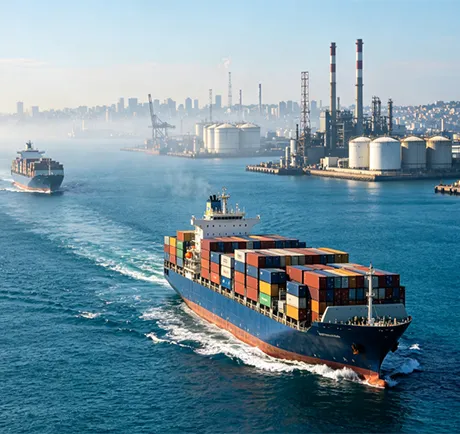
The sailing is likely to be delayed. Use early gate-in cautiously to avoid accumulating terminal storage charges.
Early gate-in is a useful cost-control option when the shipment qualifies. Forwarders handle most of the process; shippers should focus on the key milestones, clearance risk and sailing schedule to choose the most suitable arrangement.
This is the first one.